Table of Contents
If on the other hand you're trying to rank your login web page for "example brand login", that is great. That is what the web page has to do with and it should rank for it. Google isn't mosting likely to rate pages solely based on keyword density. You can not simply stuff keywords everywhere and expect to rise to the top.
If you can make the best content after that all you can do is really hope that Google agrees.
I rated my first piece of material # 1 on Google with zero search engine optimization understanding. No expensive tools. No technical lingo. Just an easy system any individual can follow. Below's the exact process I usedand just how you can reproduce it beginning today. Many search engine optimization overviews seem like this: "Enhance your meta summaries, build top notch back links, improve your domain name authority, fix your documents ..." Babble that makes you intend to give up prior to you begin.
Best Keyword Research Tools For Fast Rankings
Google's # 1 job is to satisfy the searcher. If your material does that far better than every person else's, you'll place.
Every little thing else is simply optimization around the sides. Schedule articles to 9 systems in simply one minute No SEO tools (could not manage them) New website (absolutely no authority) No backlinks (didn't also know what they were) No "domain proficiency" according to Google Ranked # 1 for "social media sites organizing tools contrast" (2,400 month-to-month searches) 847 visitors in the initial month 23 email signups from that solitary message Absolutely no dollars invested in ads I stopped attempting to video game Google and began concentrating on the visitor.
Beginning with actual concerns from actual individuals. r/entrepreneur, r/smallbusiness Browse your topic + filter by "most followed" Industry-specific communities On competitor videos What problems do items fix? Reoccuring inquiries Arguments and issues What individuals ask you Kind your topic + "exactly how" On Google search results Search for inquiries that appear 10+ times in various areas.
Best Keyword Research Tools For Fast Rankings
I saw "What's the finest social media scheduler?" asked 47 times throughout Reddit, Quora, and Facebook teams in one week. That became my target topic. Don't change the wheel. Google already informed you what worksit's ranking on web page one. What are they missing out on? What could be much more clear? What examples would certainly help? Where did they skim over details? What questions really did not they address? Your material needs to be than what's currently ranking.
Concentrate on the individuals. 100 words: State their issue + assure a solutionBad: "In this message, we'll explore ..."Good: "You're losing 10 hours/week on social media. Bad: "Take advantage of collaborating services ..."Great: "Usage devices that function together ..." Tell them precisely what to do nextBad: "Think about applying ..."Great: "Action 1: Click 'Settings'.

Engaging heading (make them click) 2. Problem declaration (program you recognize) 3. Quick win (offer value quick) 4. Detailed overview (main material) 5. Usual blunders (prevent failing) 6. Real instances (prove it works) 7. Next actions (keep them involved) Arrange articles to 9 systems in simply one minute This is the secret sauce.
Best Keyword Research Tools For Fast Rankings
It's the real reason someone looked for that term. Intent TypeWhat They WantContent FormatInformationalLearn how to do somethingHow-to guides, tutorials, explanationsNavigationalFind a specific website/pageHomepage, login web page, particular toolCommercialCompare options prior to buyingComparisons, evaluations, "finest of" listsTransactionalBuy something appropriate nowProduct web pages, valuing web pages, signup types All listicles? They desire contrasts All how-tos? They want detailed guides All product web pages? They prepare to purchase (don't battle it) I composed a thorough tutorial on "ideal Instagram scheduler." Really did not rate.
Search for keyword phrases where smaller sites ranking. Composing 500 words when the subject requires 2,000. Google rates extensive content higher. Beat the typical word matter of top 3 results by 30%+. Top 3 average: 1,500 words Your target: 2,000+ words Do not include fluff. Include worth. A lot more detailed much more words. It implies answering extra concerns and offering even more depth.
Google gauges "Core Web Vitals" (just how good your website really feels to utilize). 65% of searches happen on phones. Evaluate your site on mobile. Press images. Use a caching plugin. Choose a rapid host. Short paragraphs (2-3 sentences). Lots of headings. White space. Web link to 2-3 associated articles on your site.
Google prefers just recently upgraded content. Writing for Google's robots rather of human readers.
Best Keyword Research Tools For Fast Rankings
Employ a specialist when you're making money and desire to range quicker. Beginning with lower-competition keywords. My initial ranked message was on a 2-month-old site.
Select a schedule you can preserve (weekly, bi-weekly, month-to-month) and stay with it. You have the system. Now execute: Choose ONE inquiry your target market is asking Google it and examine the leading 3 results Summary just how you'll make yours 10x much better Write your web content making use of the H.E.L.P. framework Go through the pre-publish list Publish and share Screen your rankings in Google Search Console Update the article based upon what you discover Begin your 2nd piece of material Ranking on Google isn't around video gaming the system.
Set up blog posts to 9 platforms in just 60 seconds Search engine optimization isn't magic. It's just comprehending what individuals desire and offering it to them better than anybody else.
Best Keyword Research Tools For Fast Rankings
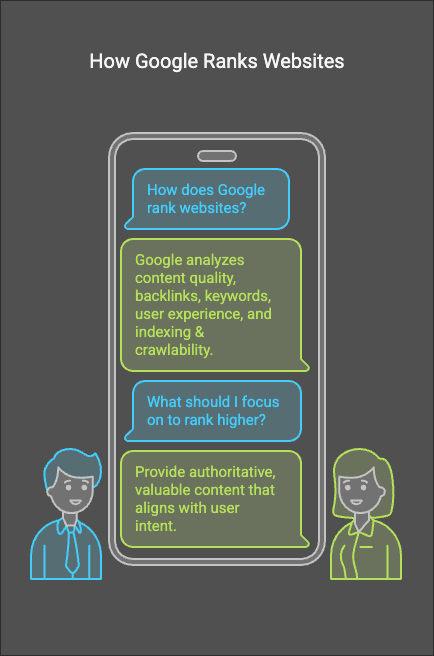
Browsing the intricacies of Google's search algorithms is essential to ranking on the first page of Google. The search engine makes use of a combination of algorithms and many ranking factors to establish the relevance and authority of web pages.
Objective to pick key words that have a high search quantity but reduced competition. This equilibrium raises your chances of placing higher in the search results page pages. For example, rather than an extremely affordable keyword phrase like "bakery," target extra particular ones like "artisan bakeshop in Brooklyn" or "natural sourdough bread." Incorporate your target keyword into the meta description, title, headings and major web content of each page.
The better you can develop fresh and new material, the much easier it is to get back links, which equates right into even more website traffic and possibly much better search positions. Both quality and quantity matter in content.

Navigation
Latest Posts
Best Keyword Research Tools For Fast Rankings
Best Keyword Research Tools For Fast Rankings
Best Keyword Research Tools For Fast Rankings